
About Me
¡Hola! 🙂
Real-life conversational approach
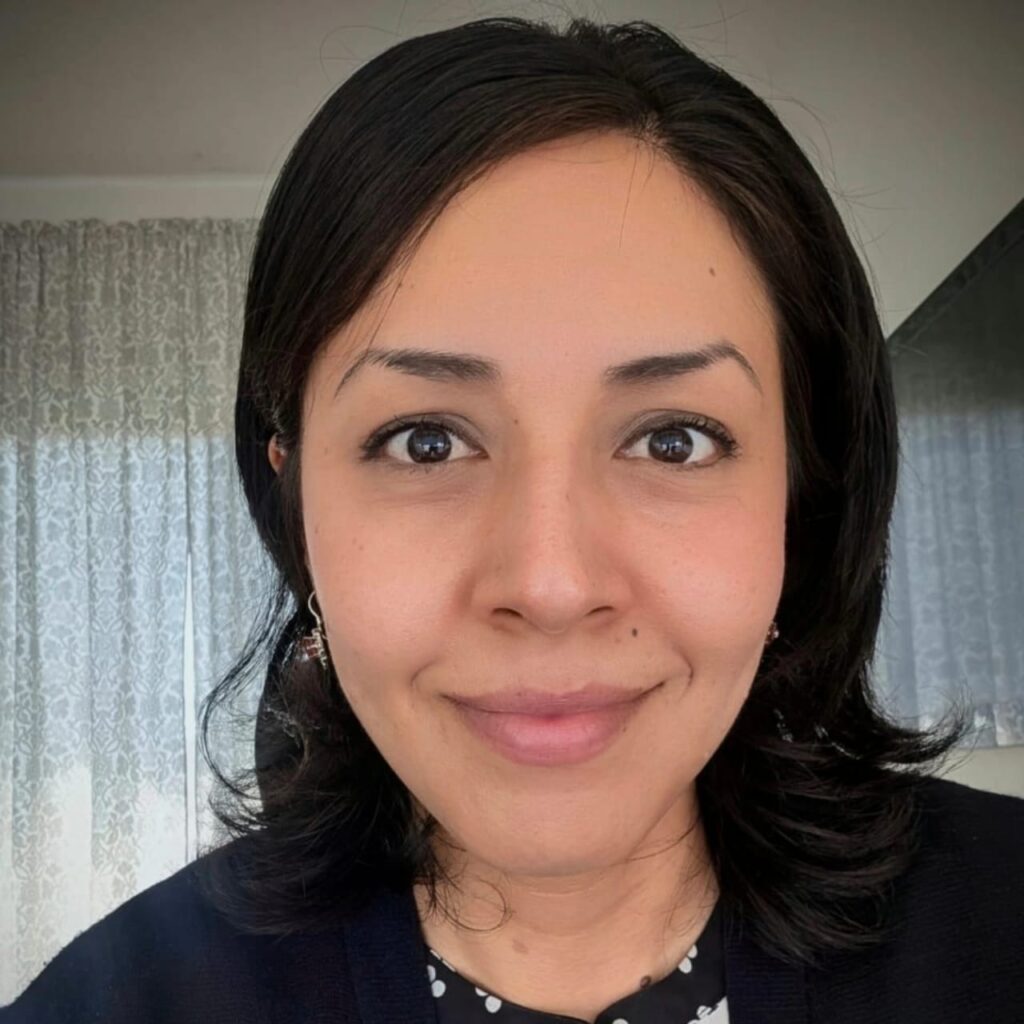
I’m Leslie Quintero, a native Spanish teacher from Mexico and I work with students from US, UK, GER, NL, CAN, AUT, JP, IRL and expats in MEX. All of my classes are online, so distance is never a problem.
I specialize in online lessons designed to guide you from absolute beginner (A1) to advanced levels, always focusing on real-life conversations.
With personalized lessons, clear explanations, and interactive materials, I’ll help you build confidence in speaking Spanish from day one.
Let’s start your Spanish journey together!
Waitlist for the Trial Class!
We are currently fully booked for one-on-one classes. However, please leave your details, and we’ll reach out as soon as a spot opens up.

LEARN FROM DAY ONE
In my Spanish classes, you’ll start speaking and understanding real Spanish from day one. Every lesson is designed to be practical, interactive, and easy to follow — no boring theory, just useful Spanish you can use right away.
Join today and see how fast you can start communicating!
ONLINE CLASSES
All my Spanish lessons are taught live through Zoom, so you can learn from the comfort of your home, no matter where you are.
Interactive, flexible, and personal — it’s like having a native Spanish tutor right on your screen!
TEACHING MATERIAL
With every class, you’ll receive easy-to-use learning materials — vocabulary lists, practice dialogues, and exercises — designed to help you apply Spanish in real-life situations. You can keep and review these resources anytime to keep improving outside of class!
Why Students Love These Classes:
Summary of the topics
A1- Beginner (Breakthrough)
Course Objective
This syllabus is designed in accordance with the Common European Framework of Reference for Languages (CEFR) for level A1 and the guidelines of the Instituto Cervantes (ELE). It incorporates linguistic elements specific to Mexican Spanish, providing English-speaking beginners with the foundational grammar, vocabulary, and communicative skills necessary to navigate everyday situations confidently.
A1
UNIT 1:
Basic Encounters and Personal Identity
Vocabulary: The Spanish alphabet, greetings, farewells, courtesy expressions, and common interjections. Personal information (name, age, nationality, profession).
Grammar: Present tense conjugation of Ser and Tener. Understanding the difference between a noun and an adjective.
Phonetics: Basic sounds, intonation, and rules of Mexican pronunciation (e.g., the pronunciation of «x», vowel purity, and the «r/rr» distinction).
Communicative Functions: Introducing oneself and others, expressing age (tener … años), and describing basic physical states (tener hambre, tener frío).
UNIT 2:
Family and Physical Descriptions
Vocabulary: Basic family members and simple adjectives for physical appearance and personality.
Grammar: Noun-adjective agreement (gender and number) and adjective placement. Use of definite and indefinite articles.
Communicative Functions: Describing people, identifying family relationships, and using the verb Ser to express permanent traits.
UNIT 3:
Numbers, Dates, and Time
Vocabulary: Numbers from 0 to 100. Days of the week and months of the year. Parts of the day (mañana, tarde, noche).
Grammar: Sentence structure for asking and telling time (¿Qué hora es? / Son las…).
Communicative Functions: Asking for and stating the date, giving phone numbers, and scheduling using hours, halves, and quarters.
UNIT 4:
The City, The House, and Locations
Vocabulary: Common places in the city, parts of a house, household objects, and means of transport.
Grammar: The verb Estar (present tense). Prepositions of place (encima de, al lado de, enfrente de). The contraction al and del.
Communicative Functions: Asking for and giving simple directions (siga derecho, gire). Describing the location of objects and people. Understanding the difference between Ser and Estar.
UNIT 5:
Actions and Daily Life (The Present Tense)
Vocabulary: High-frequency action verbs. Question words (¿qué?, ¿cómo?, ¿cuándo?, ¿dónde?, ¿por qué?, ¿quién?, ¿cuál?).
Grammar: Present tense of regular verbs (-ar, -er, -ir). Stem-changing verbs, «-go» verbs, and the super irregulars (ir, estar, hay).
Communicative Functions: Describing daily habits and routines. Forming affirmative, negative, and interrogative sentences for basic communication.
UNIT 6:
Food, Preferences, and Desires
Vocabulary: Common foods, drinks, and meals of the day (desayuno, almuerzo/comida, cena).
Grammar: The verbs Gustar, Encantar, and Querer. Understanding the literal structure of gustar (subject vs. indirect object).
Communicative Functions: Discussing eating habits, expressing likes and dislikes, and stating wants.
UNIT 7:
Daily Routine and Reflexive Verbs
Vocabulary: Daily routine verbs (reflexive and non-reflexive) and sequencing words (primero, luego, después, por último).
Grammar: Reflexive verbs and reflexive pronouns (me, te, se, nos). The structural difference between Indirect Object Pronouns (used with gustar) and Reflexive Pronouns.
Communicative Functions: Narrating a chronological daily routine. Recognizing when an action is performed on oneself versus received by someone else.
UNIT 8:
Weather and Commercial Transactions
Vocabulary: Seasons of the year, weather phenomena, store products, and pricing expressions.
Grammar: Using Hacer vs. Estar to describe the weather. Standalone weather verbs (llueve, nieva). Polite and need expressions (quiero, necesito).
Communicative Functions: Describing current weather conditions. Navigating commercial contexts: asking for prices, requesting discounts, and participating in shopping and restaurant simulations using courtesy words (por favor, gracias).
UNIT 9:
Hobbies, Sports, and Free Time
Vocabulary: Sports (el fútbol, el básquetbol), cultural activities, and hobbies.
Grammar: The verbs Ir and Practicar. The structure Me gusta + Infinitive verb.
Communicative Functions: Talking about leisure activities, sports, and weekend plans. Expressing preferences regarding actions and pastimes.
UNIT 10:
Integrated Review and Final Test
Content: Comprehensive review of all grammatical structures and vocabulary covered in Units 1 through 9.
Communicative Functions: Evaluating the students’ ability to introduce themselves, describe their environment, narrate routines, navigate commercial interactions, and express preferences in a final assessment setting.
A2- Elementary (Waystage)
Course Objective
This course develops the learner’s ability to describe, narrate, and connect ideas in everyday contexts. Students will learn to express past experiences, present situations, and future intentions using appropriate structures, moving toward independent communication at a B1 threshold level. By integrating the three past tenses (Preterite, Imperfect, and Present Perfect) with a specific focus on Mexican usage, this course serves as a solid bridge for language growth and discovery.
A2
UNIT 1:
Narrating the Past (Pretérito Indefinido)
Vocabulary: Holidays, travel activities, and leisure verbs. Mexican context: carro, camión, boleto.
Grammar: Regular and irregular preterite verbs (ser, ir, tener, estar). Introduction of Sequence Connectors (primero, luego, después, finalmente) to create narrative flow.
Can-Do Statement: Can give a simple description of past events in sequence using basic connectors.
UNIT 2:
My Home and Obligations
Vocabulary: Detailed parts of the house (pasillo, techo, escaleras), appliances, and housing types in Mexico.
Grammar: Existence vs. Location (Hay vs. Está/Están) in present and past. Expressing obligations with tener que + infinitive and introducing verbs of necessity like hacer falta.
Can-Do Statement: Can describe their living environment in detail and discuss household responsibilities and needs using simple terms.
UNIT 3:
Relationships and Comparisons
Vocabulary: Extended family (suegro, yerno), marital status, and advanced physical/personality descriptions.
Grammar: Possessive pronouns (el mío, la tuya) and possessive adjectives. Comparative and superlative structures (más que, tan como, -ísimo).
Can-Do Statement: Can describe family relationships and make precise comparisons between people and objects to justify preferences.
UNIT 4:
Daily Routine and Discourse
Vocabulary: Household chores (trapear, barrer) and chronological connectors.
Grammar: Advanced reflexive verbs and pronoun placement with infinitives. Meaning contrasts (ir vs. irse). Adverbs of frequency and the double negative structure.
Can-Do Statement: Can narrate a detailed daily routine and link activities into a connected sequence using transition words.
UNIT 5:
Dining and Restaurant Narratives
Vocabulary: Detailed meals, ingredients, and Mexican dining culture (la comida).
Grammar: Direct Object Pronouns (DOPs: lo, la, los, las) to avoid repetition. Stem-changing verbs in the preterite (pedir, servir, preferir).
Can-Do Statement: Can order food politely and give a simple description of a past dining experience using specific culinary vocabulary.
UNIT 6:
Travel Logistics and Prepositions
Vocabulary: Airport and station navigation (andén, escala, reclamo de equipaje). Problem-solving for delays and cancellations.
Grammar: Prepositions of direction. The fundamental contrast between Por and Para (Movement, duration, purpose, and destination).
Can-Do Statement: Can manage basic travel logistics and use formal structures to resolve unexpected travel contingencies.
UNIT 7:
Health, the Body, and Advice
Vocabulary: Body parts, symptoms, and medical consultation terms (receta, cita, síntomas).
Grammar: The verb Doler (indirect structure) and Tener expressions for health. Narrating past medical visits.
Can-Do Statement: Can describe physical ailments and symptoms to a healthcare professional and exchange information about past health problems.
UNIT 8:
Shopping and Transactions
Vocabulary: Clothing, prices, and shopping methods. Mexican terms: chamarra, playera, tianguis.
Grammar: Demonstrative adjectives (este, ese, aquel). Quantifiers (mucho, poco, suficiente). The verb costar in the past (costó/costaron). Contrast of por vs. para in commercial exchanges.
Can-Do Statement: Can handle common transactions in shops, identifying objects by distance and negotiating simple exchanges or refunds.
UNIT 9:
Recent Experiences and Local Context
Vocabulary: Flavors, textures, and cultural traditions.
Grammar: Present Perfect (Pretérito Perfecto) vs. Preterite (Indefinido).
Mexican Usage Note: Emphasis on the Mexican preference for the Indefinido for recent actions, reserving the Perfecto for life experiences.
Can-Do Statement: Can talk about recent personal experiences and share cultural traditions using the most natural local linguistic habits.
UNIT 10:
Building Cohesion: The Bridge to B1
Vocabulary: Personal goals, hobbies, and short-term plans.
Grammar: Introduction to narrative contrast: Imperfect (setting the scene) vs. Preterite (advancing the action). The three irregular imperfects (ser, ir, ver). Advanced connectors (sin embargo, por lo tanto, aunque).
Can-Do Statement: Can produce cohesive narratives by connecting past actions and present needs with future goals using logical connectors.
B1- Intermediate (Threshold)
Course Objective
This course develops the learner’s ability to interact confidently in real-life situations using Mexican Spanish. Students will learn to narrate experiences with precision, express opinions, negotiate meaning, and manage complex interactions in social, professional, and cultural contexts. By integrating advanced past, future, and subjunctive structures, this course consolidates independent communication at a solid B1 level.
B1
UNIT 1:
Life Experiences and Narrative Control
Vocabulary: Life milestones, travel experiences, and achievements. Mexican context: chamba, boleto, hacer las maletas.
Grammar: Contrast of past tenses (Indefinido vs. Imperfecto vs. Perfecto). Use of markers (ya, todavía no, alguna vez, nunca).
Can-Do Statement: Can narrate past experiences with clear structure, distinguishing between completed events and life experiences.
UNIT 2:
Future Plans and Intentions
Vocabulary: Goals, ambitions, and personal plans (mudarse, ahorrar, lograr metas).
Grammar: Ir a + infinitive, Future Simple, and present for scheduled events. Contrast based on intention vs. prediction.
Can-Do Statement: Can express future plans and make decisions, adapting language to different levels of certainty.
UNIT 3:
Opinions, Argumentation, and Debate
Vocabulary: Expressions for agreement/disagreement and connectors (sin embargo, por eso, depende).
Grammar: Indicative vs. Subjunctive in opinions (creo que vs. no creo que). Structures for justification.
Can-Do Statement: Can express, justify, and defend opinions in discussions using appropriate structures.
UNIT 4:
Advice, Obligation, and Problem Solving
Vocabulary: Problems and solutions (estrés, deudas, bronca) and advice expressions.
Grammar: Tener que, deber, hay que, imperative (tú). Advice structures (deberías, te conviene).
Can-Do Statement: Can give and request advice, adjusting tone and formality depending on context.
UNIT 5:
Emotions, Personality, and Description
Vocabulary: Emotions and personality traits (harto, confiable, exigente) with intensifiers.
Grammar: Advanced ser vs. estar, participles (hecho, roto), and passive/result structures.
Can-Do Statement: Can describe people and emotions with nuance and respond empathetically.
UNIT 6:
Experiences and Storytelling
Vocabulary: Life events and personal changes (mudarse, ascender, darse cuenta).
Grammar: Present Perfect vs. Preterite. Temporal markers (alguna vez vs. ayer, hace…).
Can-Do Statement: Can narrate stories and experiences, switching between tenses naturally.
UNIT 7:
Travel and Future Contexts
Vocabulary: Travel logistics (equipaje, pase de abordar, facturar, sencillo/redondo).
Grammar: Future structures + introduction to subjunctive in time clauses (cuando, en cuanto, hasta que).
Can-Do Statement: Can plan trips, handle travel situations, and communicate effectively in service contexts.
UNIT 8:
Health and Wellness
Vocabulary: Body parts, symptoms, and medical expressions (garganta, fiebre, mareo).
Grammar: Affirmative imperative (tú/usted), advice structures (deberías, hay que), verbs like doler and sentirse.
Can-Do Statement: Can describe symptoms, give advice, and interact in medical situations with appropriate formality.
UNIT 9:
Shopping, Consumer Habits, and Negotiation
Vocabulary: Shopping, transactions, and negotiation (oferta, garantía, factura, regatear, lana, feria).
Grammar: Advanced comparatives (mejor, peor), argumentation with connectors, and double object pronouns (se lo, se la).
Can-Do Statement: Can evaluate products, negotiate prices, handle complaints, and complete transactions naturally.
Unit 10: Advanced Communication and Decision-Making
Vocabulary: Discourse connectors (sin embargo, por lo tanto), negotiation and persuasion, evaluating options (vale la pena, se me hace que). Mexican context: ¿es lo menos?, fíjese que, ahorita.
Grammar: Subjunctive for influence and uncertainty (no creo que, te recomiendo que) vs. Indicative. The Conditional for politeness and hypothetical situations (si + imperfect subjunctive).
Can-Do Statement: Can express and justify opinions, negotiate agreements, and manage complex real-life interactions strategically using appropriate cultural nuance.
More information about the more advanced levels